
Exterior Painting
Why Exterior Paint Peels — And How Proper Prep Stops It
· 5 min read
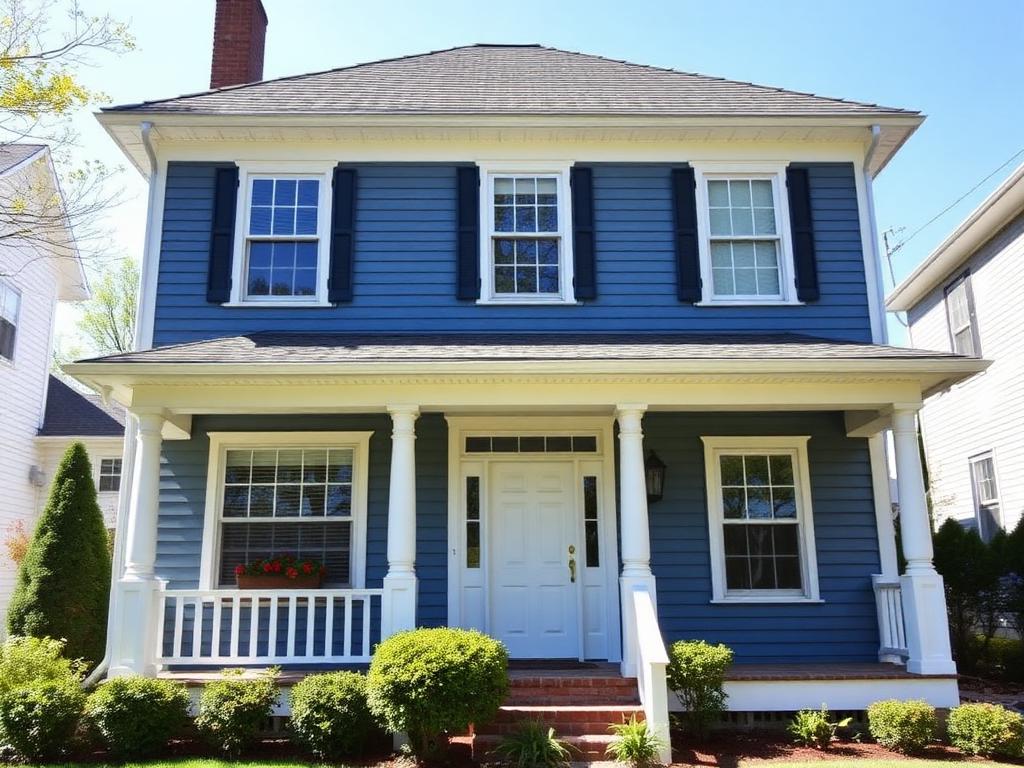
Peeling exterior paint isn't just an eyesore — it leaves your home's wood trim and siding exposed to water damage, wood rot, and costly structural repairs. Understanding why paint fails is the key to preventing it.
Why does exterior paint fail?
Most peeling on New England homes traces back to one of three causes:
- Moisture trapped behind wood: moisture moving from inside the home outward forces paint off the surface.
- Poor surface preparation: painting over dirt, chalking paint, or glossy surfaces without sanding prevents proper adhesion.
- Painting in bad weather: applying latex paint in extreme cold, high humidity, or direct blistering sunlight affects curing.
How proper preparation blocks peeling
A paint job only lasts as long as the preparation underneath it. Here is how professional prep protects your home:
- Pressure washing: removes dirt, mold, and chalked residue.
- Scraping & feather-sanding: removes all loose paint flakes and sands hard edges smooth so new paint locks in.
- Spot priming: seals raw wood and blocks wood tannins from bleeding through the topcoat.
- Quality acrylic topcoats: high-grade 100% acrylic exterior paints remain flexible, expanding and contracting with temperature changes without cracking.
Why prep matters even more on the coast
South Shore homes deal with coastal humidity, salt air and long winters. That combination punishes shortcuts. When we quote an exterior, the prep steps are written into the estimate — scraping, sanding, priming and drying windows are the job, not an add-on.