
Preparation
Exterior Primer Guide: Oil-Based vs. Latex for Wood, Siding & Trim
· 6 min read
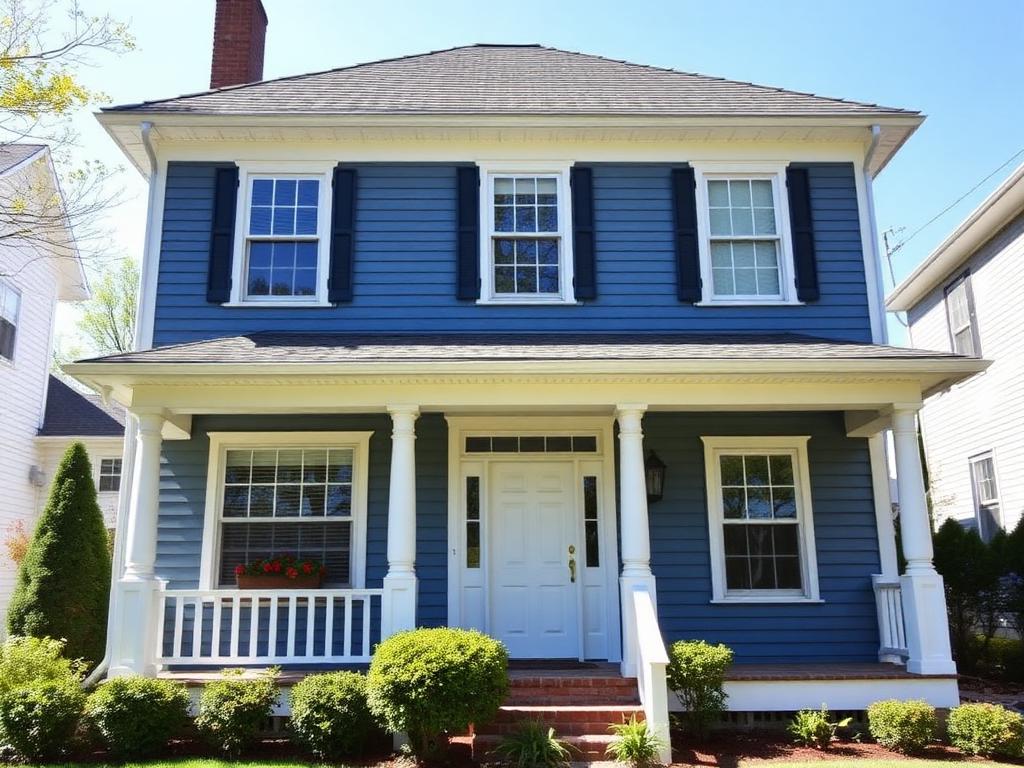
When preparing a surface for a flawless exterior paint job, choosing the right primer is one of the most important steps. While topcoats add color and weather protection, primers help establish a bond with the building substrate and control stains that could show through the finish.
For homes in Weymouth and the South Shore, the choice depends on the surface, its condition and the coating system—not simply whether a primer is oil-based or water-based. We don't just paint. We prepare.
The core difference: oil-based vs. latex primers
Oil-based primers typically use alkyd binders and solvents. Acrylic latex primers use water as the main carrier and form a film as they dry. Their drying time, flexibility and stain-blocking performance vary by product.
- Binder: oil-based primers generally use alkyd resins; acrylic latex primers use acrylic binders.
- Drying: alkyd primers cure through solvent evaporation and oxidation; acrylic primers dry through water evaporation and film formation.
- Penetration: selected oil-based wood primers penetrate porous bare or weathered wood; acrylic primers provide adhesion and a flexible film.
- Flexibility: acrylic exterior systems generally accommodate movement well; the complete primer and topcoat system must suit the substrate.
- Cleanup: follow the label—often mineral spirits for oil-based products, and soap and water for acrylic products.
Stain blocking: tannins, knots and discoloration
Cedar, redwood and some pine contain extractives that can leave yellow, brown or reddish stains beneath a new finish. Water can mobilize these tannins, so a general-purpose water-based primer may not prevent bleed-through.
An exterior-rated, stain-blocking oil primer is often a useful choice for tannin-prone wood. However, some acrylic primers are specifically formulated to block tannins too. Choose by the product's stated performance, and test a stained area before coating the entire surface.
Knots, rust and other stains may need different treatment. No primer can substitute for correcting moisture intrusion, cleaning contamination or removing loose rust. Use a primer approved for the particular stain and substrate.
When oil-based primer makes sense for exterior wood
On bare or weathered wood, a penetrating exterior wood primer can establish adhesion and help control tannin bleed. Slower drying can allow the product to wet porous wood effectively, but application and recoat times must follow the manufacturer's instructions.
Fasteners also need attention. Exposed ferrous nail and screw heads can stain a finish; clean and treat them with an appropriate rust-inhibitive primer rather than assuming that every wood primer protects metal.
- Cedar and redwood siding with a history of tannin bleed.
- Bare wood trim and siding where the specified coating system calls for an alkyd wood primer.
- Weathered wood after damaged fibers, dirt and failing coatings have been removed.
- Persistent stains that a compatible exterior stain-blocking primer is designed to seal.
When acrylic latex primer is the better fit
Exterior acrylic primers are often suited to masonry, stucco and concrete because selected formulas tolerate alkaline surfaces. New masonry still needs the curing time, moisture level and pH required by the coating manufacturer. Efflorescence must be removed and its moisture source addressed before painting.
Fiber cement, vinyl and aluminum require substrate-specific decisions. Some factory-finished or previously painted surfaces need no full primer coat; others need an approved bonding primer. For vinyl, the finish color and coating must also comply with the siding manufacturer's guidance.
For interior drywall, a dedicated drywall or acrylic primer often offers low odor, quick drying and easy cleanup. Interior products are not automatically suitable outdoors.
Surface and construction substrate checklist
Start with the substrate and its condition, then confirm that the primer and topcoat are compatible.
- Cedar, redwood and pine: use an exterior wood primer with the required tannin- and knot-blocking performance.
- Bare or weathered exterior wood: clean, dry and remove weak fibers before applying an approved wood primer.
- Ferrous metal and metal trim: remove loose rust and use a suitable rust-inhibitive metal primer.
- Chalky painted surfaces: wash away chalk and failing paint first; use an approved conditioner or primer only where specified.
- Masonry, stucco and concrete: use a compatible alkali-resistant system after checking cure time and moisture.
- Fiber cement, vinyl and aluminum: follow the siding manufacturer's coating and color requirements.
- Drywall: use an interior primer appropriate for new board, repairs or stains.
Primer products to discuss for your project
Sherwin-Williams and Benjamin Moore offer both wood primers and acrylic bonding or stain-blocking primers. Product availability, names and formulations can change, so confirm the current technical data sheet before choosing a system.
Examples from the submitted guide include Sherwin-Williams Exterior Oil-Based Wood Primer, Benjamin Moore Fresh Start oil-based and acrylic primers, and Zinsser Cover-Stain. Each has its own approved substrates, limitations and recoat schedule.
A bonding primer such as Sherwin-Williams Extreme Bond may be considered for difficult surfaces only when its current instructions approve the substrate and exterior application. A bonding product is not automatically a tannin blocker or a rust-inhibitive metal primer.
Preparation comes before primer
Wash and allow the surface to dry, scrape loose paint, sand sound edges and repair damaged areas before priming. Correct leaks and rotten wood first. If older coatings may contain lead, use appropriate lead-safe assessment and work practices before disturbing them.
TB Services Painting starts with a free estimate, then surface preparation, priming where needed, premium paint application, a final walkthrough and complete cleanup. Call 781-901-2294 to discuss exterior painting in Weymouth and the South Shore.