
New Construction
Painting a New Build House: A Step-by-Step Guide
· 6 min read
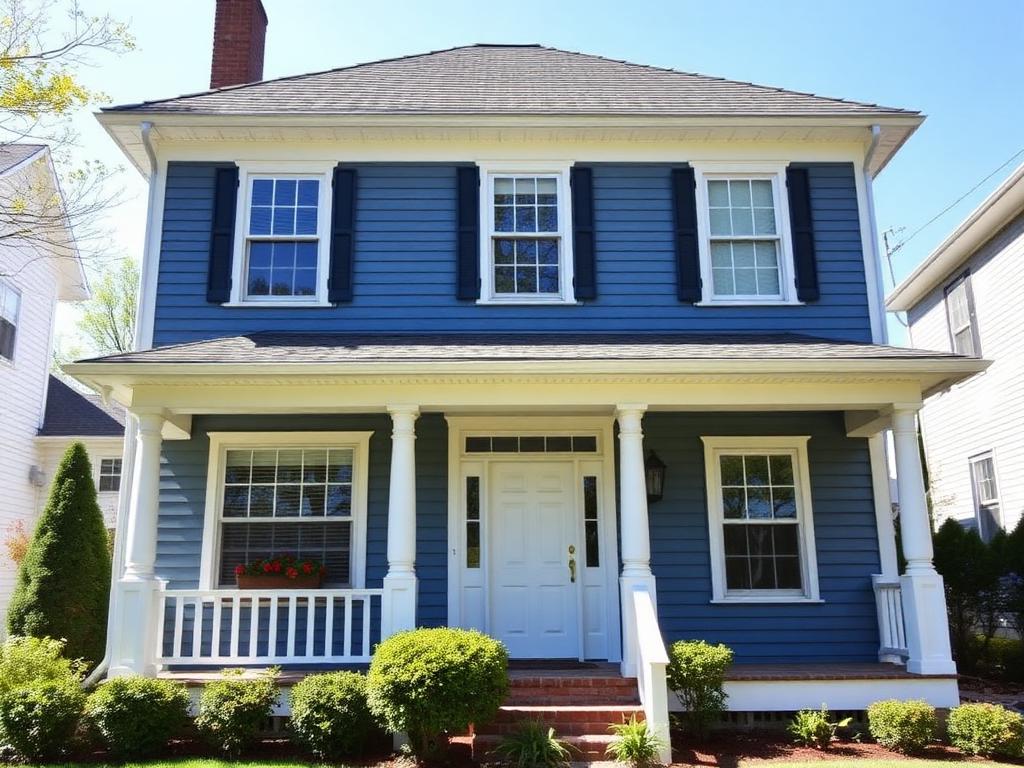
New construction gives a painter something no repaint does: clean, unpainted surfaces. Getting the most out of that depends almost entirely on when the painters step onto the job and in what order the work is done.
Proper sequencing
Interior painting starts after drywall is hung, taped and sanded, and after the dust is cleaned down — never before. Walls are primed and coated, trim and doors are finished, and final floor finishing follows, with a touch-up pass at the end once other trades have finished.
Exterior work follows the siding and trim install, scheduled around temperature and dew point rather than the calendar.
Spray versus roll
New trim, doors and cabinetry are sprayed. Airless spraying lays a factory-smooth film with no brush marks — the single biggest visual difference between a builder-grade finish and a high-end one.
Walls are sprayed and back-rolled, which pushes the coating into the surface and keeps the wall texture consistent across the whole house.
Moisture, temperature and curing
Fresh lumber, new drywall compound and recently poured concrete all hold moisture. Coating over damp substrate causes adhesion failure, blistering and peeling later.
Before exterior coats we check that the wood is dry and that temperature and dew point fall within the manufacturer's application window. In Massachusetts that window closes early in the fall, which is a real scheduling factor on a build.